Chaocom Thailand Website
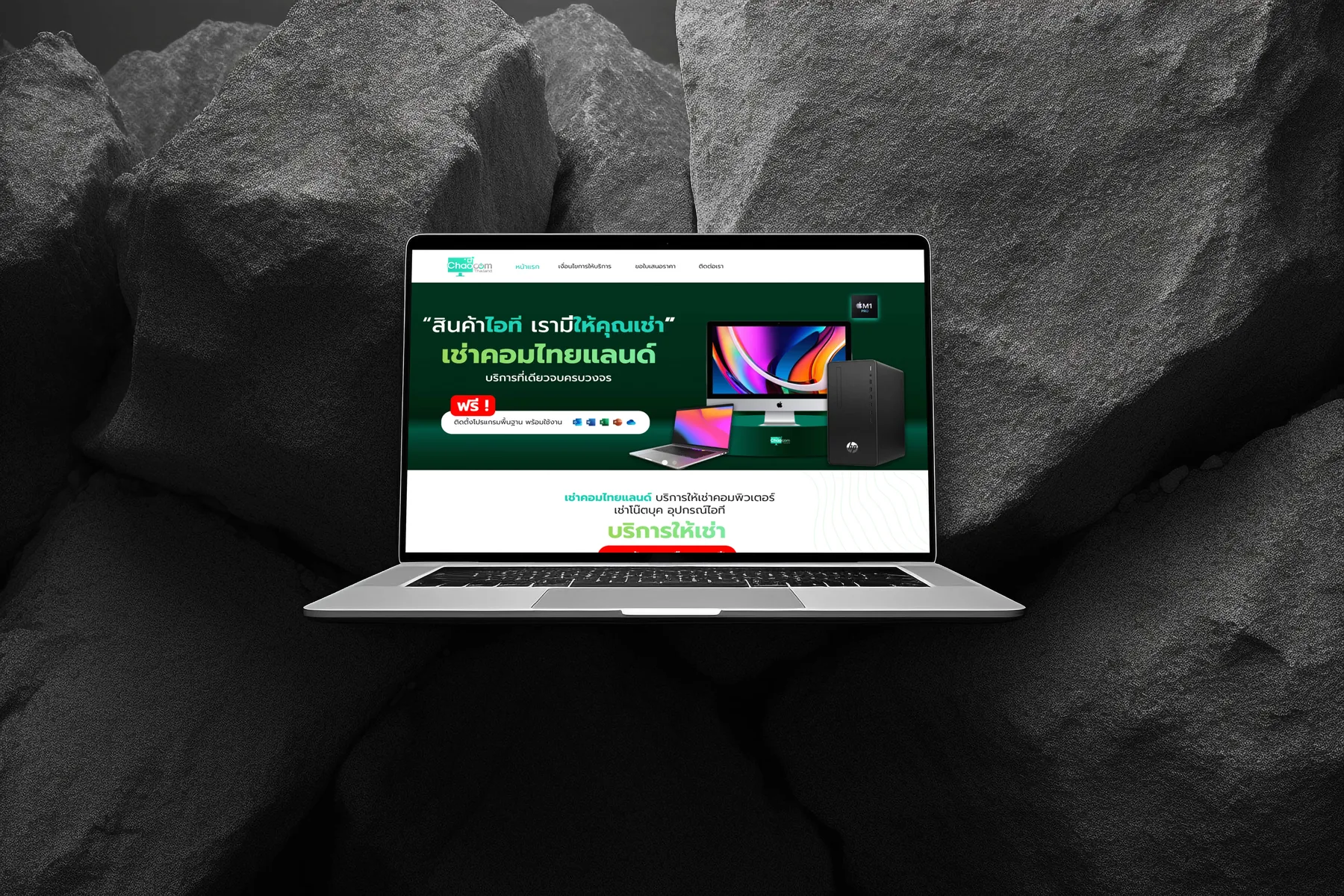
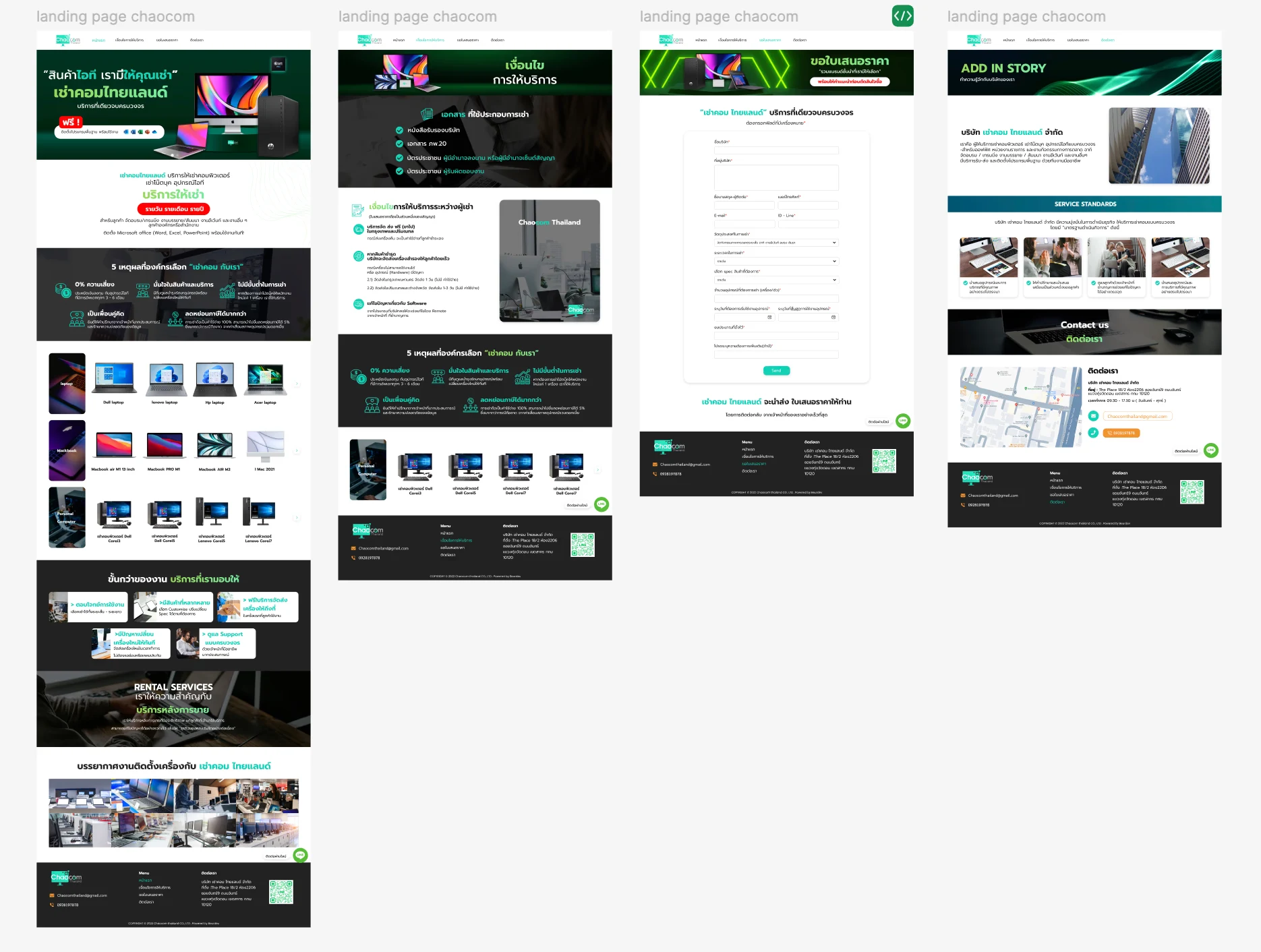
A lead-generation site for a computer rental service, designed for a company deciding whether to rent at all rather than which provider to rent from. The design puts the pages in the order that decision is made, publishes the terms people would otherwise negotiate, and turns the enquiry into a brief sales can price.
Problem & Usability Gaps
A company renting IT equipment is weighing renting against buying, and that turns on questions a product page never addresses. Read against the heuristics, a typical rental enquiry leaves the deciding terms, what happens when a machine fails and what paperwork is needed, to negotiation; asks a prospect to describe the hardware they want rather than pick it; and offers an open contact box that lets a request arrive without the details needed to price it, so an enquiry begins with a round of questions.
Design Decisions by Heuristic
Before & After by Heuristic
| Heuristic | Before | After | Change |
|---|---|---|---|
| Real-world | Explained by sales, per enquiry | Five reasons before the catalogue | Argued |
| Recognition | Hardware described by the prospect | Models named by class | Selectable |
| Prevention | Open contact form | Structured quotation brief | Complete |
| Guidance | Terms asked during negotiation | Documents, delivery and failure terms published | Published |
"Someone looking at rental laptops is often still deciding whether to rent at all, not which company to rent from. The site follows that decision in order and answers each question before it has to be asked."
— Design rationale · Chaocom Thailand WebsiteDesign Learnings
When a service competes with not using it at all, matching the real-world order of the decision means the argument comes before the catalogue.
A structured enquiry is error prevention for both sides: the details a price depends on are captured before anyone has to ask for them.
Publishing the paperwork needed to proceed removes a stall that most enquiry flows leave to a later email.