
UX/UI DesignerSingle-Page Sale PageCommercial & Industrial Cleaning

Clean All Kleen

BEURDEV CO., LTD. · Apr 2024 – Jun 2024
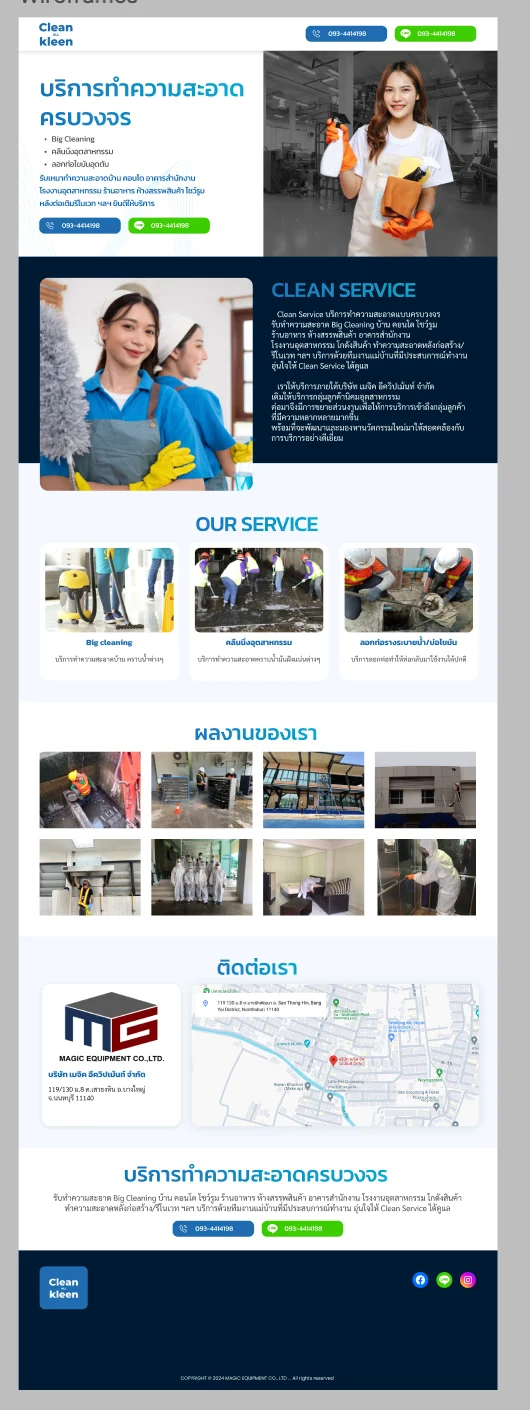
Clean All Kleen sale page — three service lines, eight facility types and a grid of completed industrial jobs
Executive Summary & Impact
Recognition
Recognition rather than recall
each service card led by a photo of that exact job
Real-world
Match between system and the real world
site types named, so a factory and a home both fit
Consistency
Consistency and standards
three service lines on one card: photo, title, scope

A single-page site for a cleaning contractor serving both factories and homes. The design lets each visitor recognise their job from a photograph, find their own type of site named, and judge the standard from completed work, without the industrial side making the domestic side feel like the wrong place.

01 / Discovery & Heuristic Gaps

Problem & Usability Gaps

Commercial cleaning is bought on evidence that the contractor has handled a site like yours, and this page had to serve a factory manager and a homeowner at once. Read against the heuristics, services described in text make both read before they recognise their job; a general description of coverage leaves each wondering whether their type of site is included; and without completed work there is nothing to judge the standard by.

Text only
services usually described rather than shown
Unclear scope
the types of site served left unstated
No evidence
nothing to judge the standard of work by
02 / Architecture & UX System

Design Decisions by Heuristic

01
Recognition rather than recall
Each Service Led by a Photograph of the Job
Big cleaning, industrial oil and grease removal, and drain and grease-trap dredging each get a card with a photograph of that exact work and one line of scope. A visitor recognises their job from the picture before reading anything.
02
Match between system and the real world
Every Site Type Written Out
House, condo, showroom, restaurant, shopping mall, office building, factory and warehouse are named in the hero and again in the service copy, with post-construction cleaning alongside. Each visitor finds their own word, so one page serves a homeowner and a plant manager at once.
03
Consistency and standards
One Card Pattern for Three Lines
The three service cards share one structure: photograph, title and one line of scope. A visitor compares them at a glance, and the industrial lines sit beside the domestic one without looking like a different business.
04
Match between system and the real world
Completed Work as the Evidence
Eight photographs of completed jobs run across two rows, including a crew in full protective equipment. A visitor judges the standard from work already done, the cue they would look for in person, and an industrial buyer sees the safety standard the crew already works to.
03 / Verification & Evidence

Before & After by Heuristic

HeuristicBeforeAfterChange
RecognitionText descriptionThree lines, each with its own photographVisual
Real-worldCoverage impliedEight site types named in the hero and copyExplicit
ConsistencyIndustrial and domestic apartOne card pattern for all three linesUnified
Real-worldNo completed work shownEight-job gallery including a PPE crewDocumented

"A contractor from the industrial estates already has the harder credential. The design problem was showing it to a factory manager without making a homeowner feel they had opened the wrong website."

— Design rationale · Clean All Kleen
04 / Retrospective

Design Learnings

→

When one page serves two very different buyers, naming every site type does more than copy written general enough to cover both.

→

A photograph of the exact job lets a visitor recognise their need before reading, which matters most on a page with several services.

→

In facility services, the photograph that settles an industrial enquiry is of the crew and their protective equipment, not a finished room.