Endless Eco Website
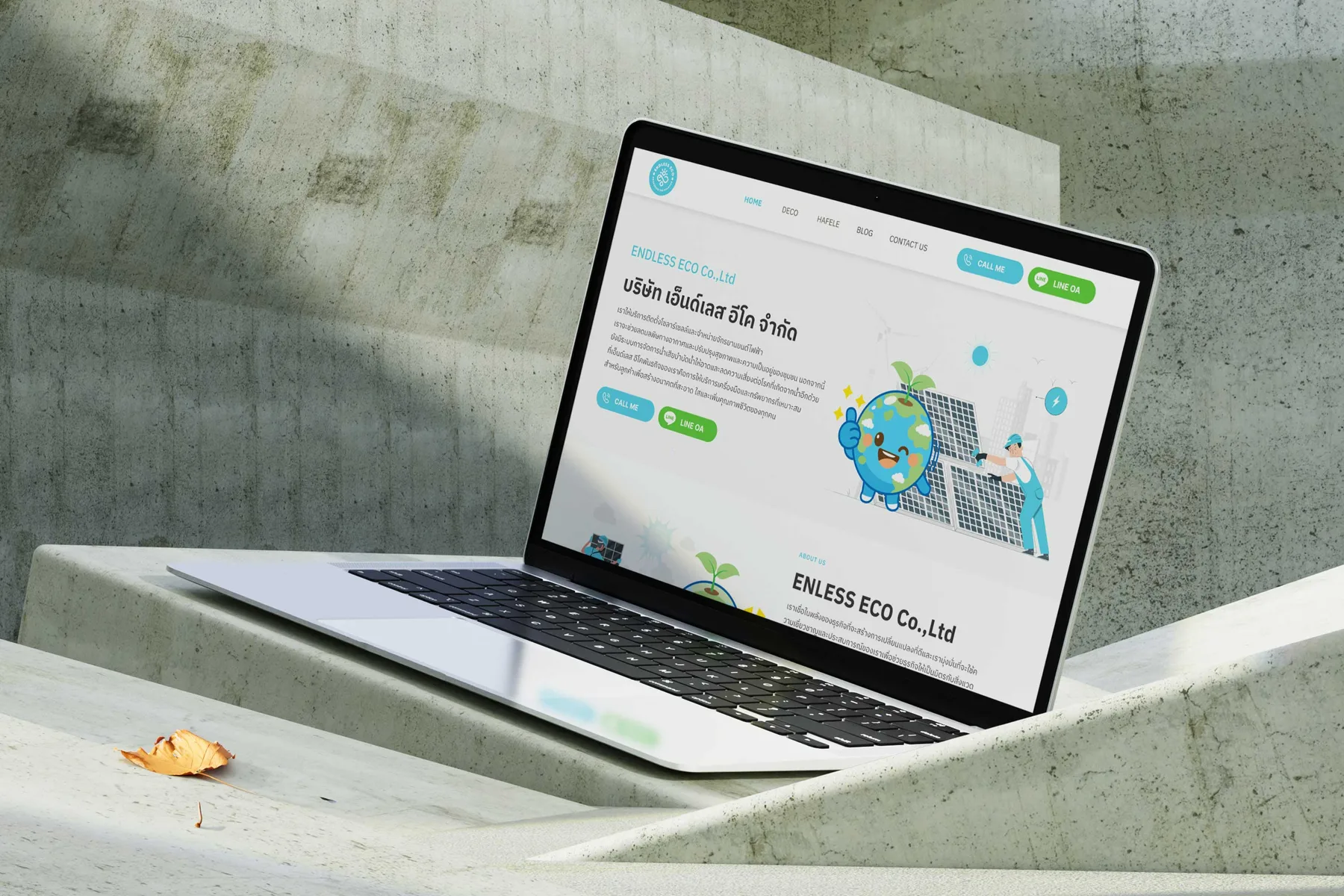
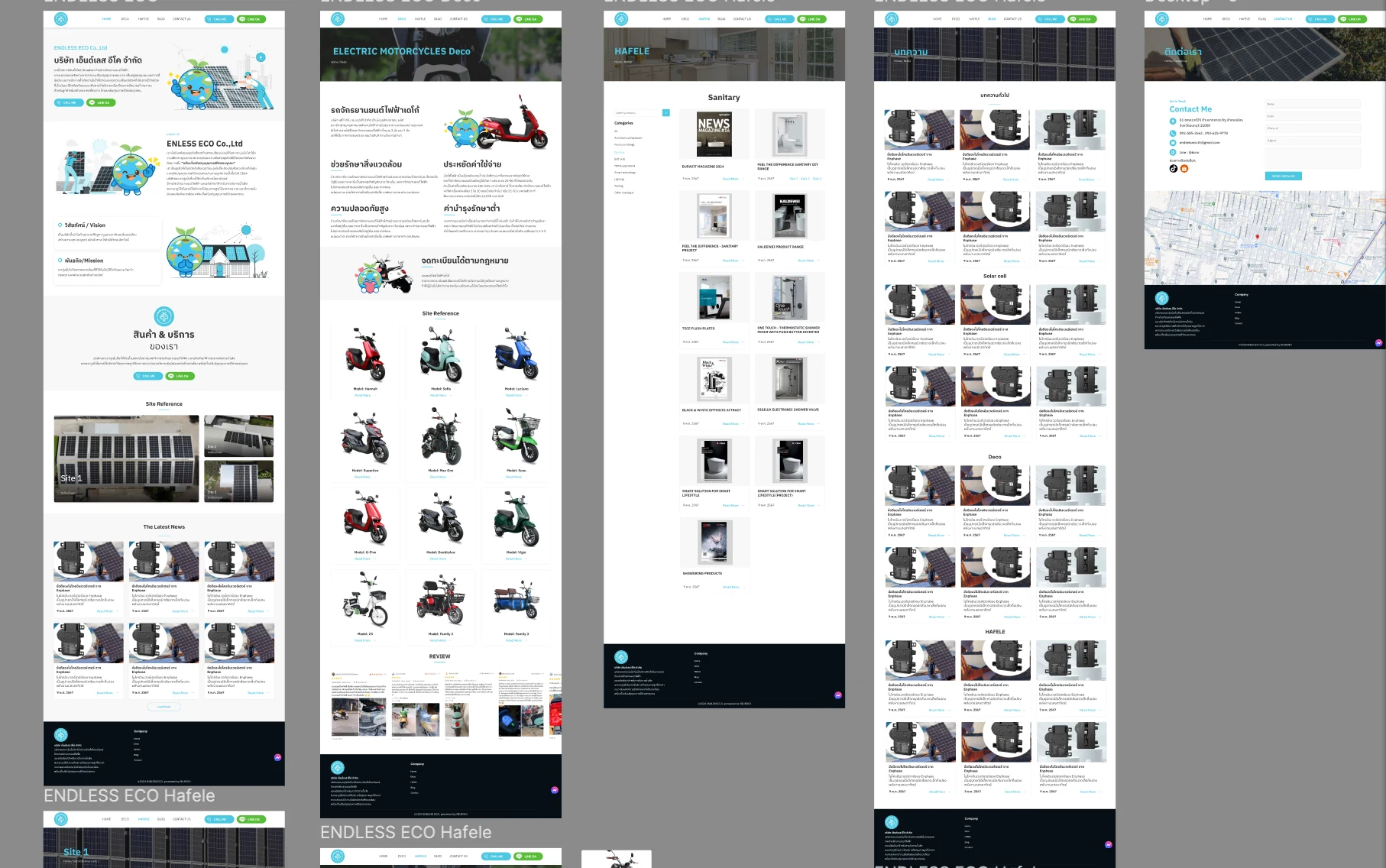
A site for a company running three unrelated businesses under one roof: solar installation, electric motorcycles and hardware distribution. The design gives each audience its own route, presents each line the way its buyer already searches, and splits content so nobody reads past the other two. Each decision below is tied to the usability heuristic it serves.
Problem & Usability Gaps
Three unrelated product lines under one company is a navigation problem before it is a marketing one. Read against the heuristics, a homepage trying to serve a homeowner, a rider and a contractor at once makes each of them work through content meant for the others; one product layout does not fit three ways of buying; and a single news feed mixes articles none of them asked for.
Design Decisions by Heuristic
Before & After by Heuristic
| Heuristic | Before | After | Change |
|---|---|---|---|
| Efficiency | Reached through the company story | Brands in the nav, solar on the homepage | Direct |
| Real-world | One shared treatment | Model grid, catalogue, installed sites | Fitted |
| Minimalism | Single mixed feed | Four streams by business line | Segmented |
| Consistency | Contact form | Call and LINE in every header | Constant |
"A homeowner pricing a solar roof, a rider choosing a motorcycle and a contractor sourcing fittings share nothing but the company they landed on. The design job was to stop any of them reading the other two."
— Design rationale · Endless Eco WebsiteDesign Learnings
When one company runs unrelated lines, a route per line is the efficient path: here the main line leads the homepage and the other two get sections of their own, where a shared story would only add reading.
Each line needed its own product layout because each buyer arrives knowing something different; matching that is the real-world fit.
Splitting content by audience lets one system serve three groups, which a single reverse-chronological feed cannot.