Senior UX/UI DesignerResponsive Marketing & Catalogue SiteAccess Control / Security Hardware

Max Solution Website
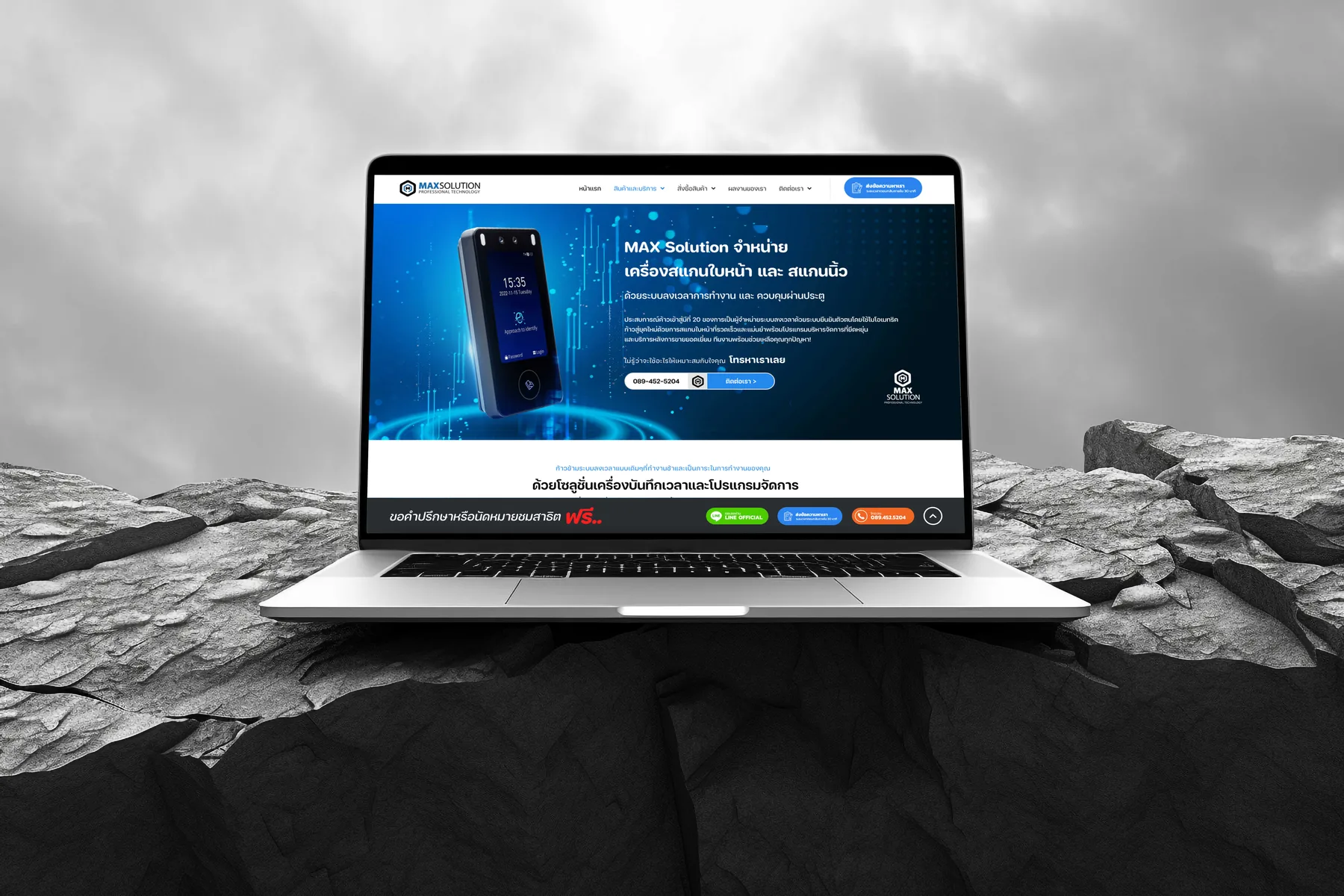
BEURDEV CO., LTD. · Mar 2024 – May 2024
Max Solution website — access control hardware catalogue, quotation request and named customer installations
Executive Summary & Impact
Efficiency
Flexibility and efficiency of use
device strip lets a buyer skip past the marketing
Real-world
Match between system and the real world
references written as model and go-live month
Prevention
Error prevention
quote form asks for product and callback time up front

A catalogue and enquiry site for an access-control hardware supplier, designed for a specifier who usually knows the device they need and wants to see where it has worked before. The design gives that buyer a shortcut past the marketing, writes references in the terms they specify with, and asks for what a quote needs up front.

01 / Discovery & Heuristic Gaps

Problem & Usability Gaps

An access-control purchase is specified by someone who needs the exact model and evidence it has held up somewhere comparable. Read against the heuristics, the usual supplier site fails that buyer in three places: one route serves every visitor, so a buyer who already knows the device still reads the marketing first; references show a client's name but not the models installed, so a specifier cannot use them; and a price starts with an open phone call, with nothing structuring what a quote needs.

Two kinds of buyer
some arrive knowing the device, others need to browse
Proof needs models
a reference persuades a specifier only when it names the hardware
Open-ended call
a phone call leaves nothing to structure what a quote needs
02 / Architecture & UX System

Design Decisions by Heuristic

01
Flexibility and efficiency of use
A Device Strip Above the Marketing
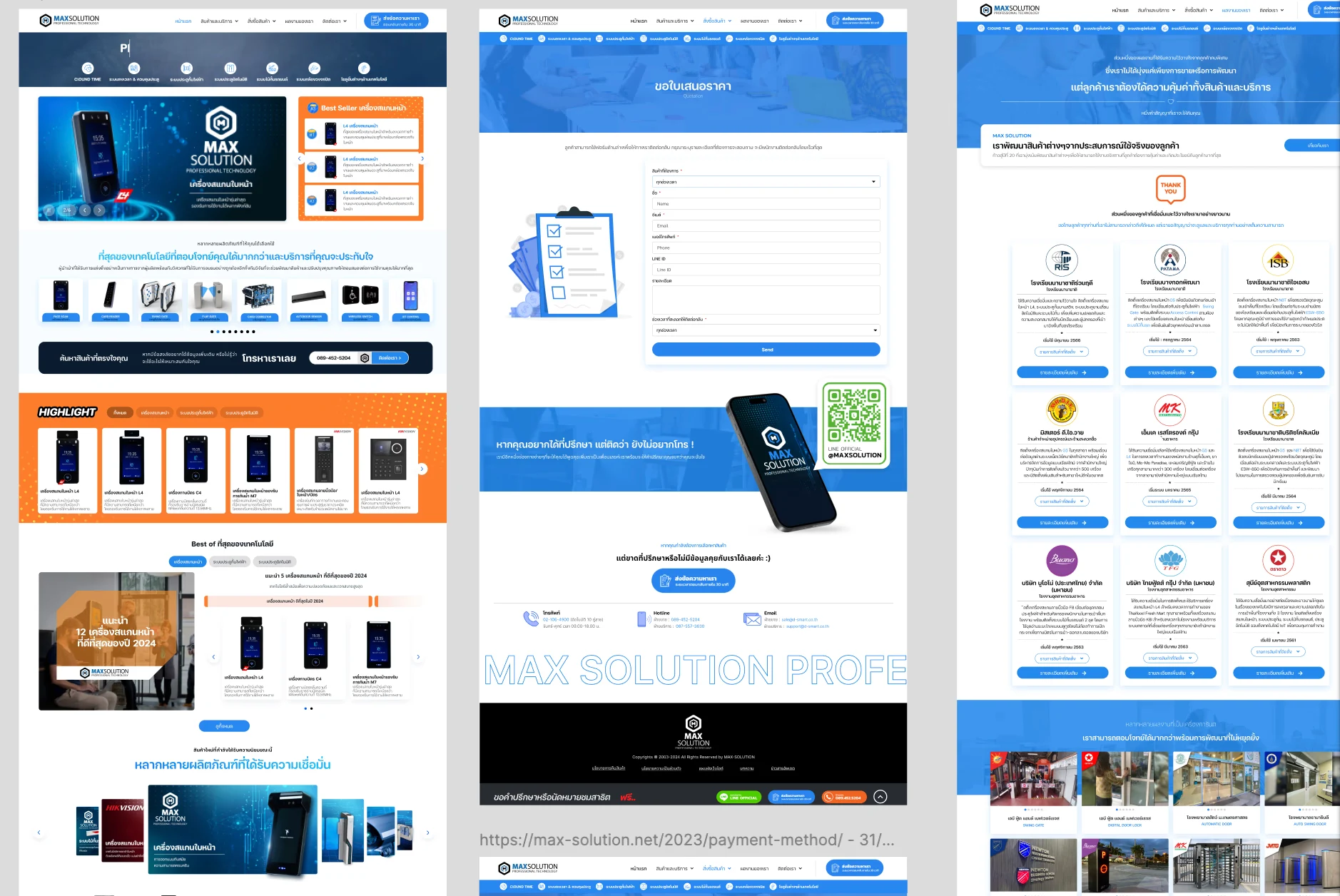
The homepage opens with a strip of device types, so a buyer who already knows what they need goes straight to it. Highlight and best-of blocks sit below for visitors who arrive without a specification, so both kinds of buyer have a way in.
02
Match between system and the real world
References Written in the Specifier's Terms
Each reference card names the sector, the models installed written inline as links, and the month the system went live, with an expandable list of every product at that site. A specifier reads it the way they read a bill of materials.
03
Error prevention
A Quote Request That Asks the Right Questions
The quotation page is a form that asks which product, the buyer's name, email, phone and LINE ID, the details, and the time they prefer to be called back. Asking for the callback window up front prevents the missed call that would otherwise stall the request.
04
User control and freedom
A Second Channel for Buyers Who Will Not Phone
A LINE QR code sits beside the quote form, with the phone, hotline and email contacts listed below it, so a buyer who does not want a phone call can still start the conversation in the channel they choose.
03 / Verification & Evidence

Before & After by Heuristic

HeuristicBeforeAfterChange
EfficiencyOne route for every buyerDevice strip at the top of the homepageDirect
Real-worldA client name without modelsModels and go-live month on every cardSpecific
PreventionAn open-ended phone callForm with product and callback windowStructured
ControlOne channel chosen for the buyerLINE, phone and email beside the formChoice

"A specifier does not want a brochure; they want to know which model went into a building like theirs. Every decision here gives that buyer a shorter or more specific route to the answer."

— Design rationale · Max Solution Website
04 / Retrospective

Design Learnings

→

An accelerator for expert users can sit alongside the general route: the device strip serves the buyer who knows, the blocks below serve the one who does not.

→

A reference is only evidence if it uses the reader's own terms; naming the model and the month turns a logo wall into something a specifier can use.

→

Asking for the callback window inside the form prevents a failure that would otherwise happen after the user has left the page.